Marriage Counseling for Infidelity
What It Actually Looks Like
Marriage counseling for infidelity isn't a quick fix, and anyone who tells you otherwise is selling something. Whether you're the one who was betrayed or the one who cheated, there's no shortcut through this.
But counseling can help. Not by erasing what happened — by helping you figure out whether the marriage is worth rebuilding and, if it is, how to do it without pretending.
Can a Marriage Survive Infidelity?
Some can. Some can't. That's not a cop-out — that's the reality. Research from the American Association for Marriage and Family Therapy puts the number at roughly 53% to 60% of marriages surviving an affair. But “surviving” and “thriving” are two different things. Plenty of couples stay together and stay miserable because they never actually dealt with what happened.
53–60%
of marriages survive an affair
According to the American Association for Marriage and Family Therapy — but "survive" and "thrive" aren't the same thing.
12–30
sessions is the typical range
Spread over 3 to 9 months. Some couples need longer. Infidelity counseling isn't a 6-week fix.
100%
accountability required
The person who cheated has to take full responsibility without deflecting. Without that, counseling becomes expensive theater.
The couples who come out the other side tend to share a few things: both people are willing to be honest about what led to the affair, the person who cheated takes full responsibility without deflecting, and the betrayed partner is allowed to process their anger without being told to “move on” before they're ready. None of that happens automatically. That's what the counseling is for.
What Happens in Infidelity Counseling
If you've never been to couples therapy before, the idea of sitting in a room and talking about the worst thing that's ever happened in your marriage sounds terrible. Fair. Here's what actually happens, roughly in order:
Damage control
The therapist creates ground rules so nobody storms out mid-session or says something that makes everything worse. You'll talk about what happened, but in a structured way. The therapist manages the conversation so it doesn't spiral.
The hard part
This is where you dig into the why. Not to excuse the affair, but to understand the conditions that allowed it. Maybe there was emotional disconnection for years. Maybe one person felt invisible. Whatever the answer is, the therapist helps you look at it honestly.
Rebuilding
If both people decide to stay, the work becomes about creating something different than what you had before. New boundaries, new ways of communicating, new trust agreements. Not going back to the old marriage — building a new one.
What to Look for in a Therapist
Not every couples therapist is equipped for infidelity work. You want someone who:
Has specific training in affair recovery
Ask directly — it's not rude. Look for Gottman Trust Revival Method or Emotionally Focused Therapy (EFT) in their background.
Won't take sides in the first session
If a therapist is already assigning blame by session two, find someone else.
Is comfortable sitting with anger and raw pain
Without rushing past it. The betrayed partner needs time to process — not a therapist who keeps pivoting to "forgiveness."
Doesn't push forgiveness on a timeline
If they're pushing forgiveness in session two, that's a red flag. Healing doesn't follow a schedule.
In-Person vs. Online: What Works for This
In-person therapy is the gold standard for infidelity work — the therapist can read body language and create a physical space that feels separate from home. But there are real reasons online works better for some couples: you're not ready to sit in a waiting room together, schedules don't align, or you need to start this week rather than wait six weeks for an opening.

OurRitual
OurRitual combines expert guidance with personalized digital tools — 300+ vetted therapists, flexible scheduling, and science-backed exercises between sessions. You get matched with a vetted expert, and sessions happen by video from wherever you are. $720 per 12 weeks (3-month plan) or $310 per 4 weeks.
BetterHelp
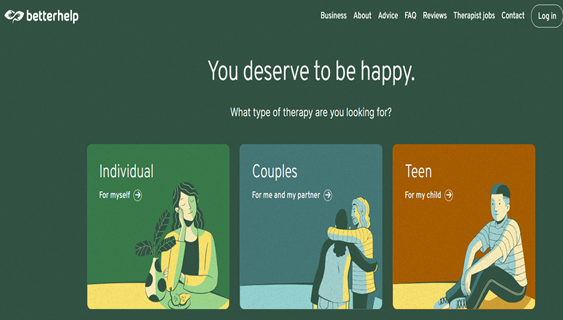
Many therapists recommend that each partner also sees their own therapist alongside couples work — especially in infidelity cases. BetterHelp makes it easy to set up individual sessions without calling five different offices. If you're the betrayed partner processing on your own, or the one who cheated working through accountability, having your own therapist alongside the couples work changes the dynamic significantly.
What Counseling Won't Do
Counseling won't make the pain disappear. It won't make the betrayed partner trust again on a timeline.
It won't guarantee the marriage survives.
It won't work if only one person is actually showing up. If the person who cheated goes through the motions without real accountability, counseling becomes expensive theater.
If the betrayed partner uses sessions to punish rather than process, progress stalls.
Some couples do the work and still decide the marriage is over. That's a valid outcome. Counseling that helps you separate honestly and peacefully is still successful counseling.
When to Start
Now. Or as close to now as you can manage. The longer you wait, the more resentment hardens. The more stories each person tells themselves about what happened. The harder it gets to have a conversation that isn't just a replay of the same fight.
You don't have to have everything figured out first. That's literally what the therapist is for.