counseling guide

Marriage Counseling Questions
What Therapists Actually Ask (and How to Prepare)

You've booked the appointment. Maybe your partner doesn't even know yet. Maybe they do and you're both dreading it a little. Either way, your brain is already running through worst-case scenarios about what the therapist will ask and whether you'll freeze, cry, or say the wrong thing.

Here's the truth about marriage counseling questions: there are no trick questions. A good therapist isn't trying to catch you in a lie or pick sides. They're trying to understand how your relationship works right now so they can help you make it work better.

Knowing what's coming takes the edge off.Here's what most marriage counselors ask, broken down by category — plus what they're really trying to learn from each one.
First Session Questions

The first appointment is mostly about gathering information. Expect questions like:

  • What brought you to counseling today?
  • How long have you been together?
  • Have you done counseling before? What was that experience like?
  • What does a typical day look like for the two of you?
  • What do you each hope to get out of this?
What they're really after:They want to hear both sides of the story without judgment. They're listening for patterns — who brings up what, how you talk about each other, and whether you agree on why you're there. There's no right answer. Honest is better than polished.

Questions About Communication

This is usually where the real work starts. Common ones:

  • How do you handle disagreements?
  • What happens when one of you gets angry?
  • Does one of you tend to shut down? Who pulls away first?
  • How do arguments usually end?
  • Do you feel heard by your partner?
What they're really after:They're mapping your conflict cycle. Most couples have a pattern — one person escalates while the other withdraws, or both escalate until someone slams a door. The therapist isn't judging the pattern. They're naming it so you can start changing it.

Questions About Your History Together

These might feel oddly personal, but they matter:

  • How did you meet?
  • What first attracted you to each other?
  • When did things start feeling harder?
  • Have there been any big changes recently — a move, a baby, a job loss, a health issue?
  • Has there been infidelity or a major breach of trust?
What they're really after:The “how did you meet” question isn't small talk. They're checking whether you can still access good memories of each other. If both of you light up telling the story, that's a strong sign. They also want to know if a specific event shifted the relationship or if the problems built up slowly over time.

Questions About Goals and the Future

Toward the end of a first session, you'll often hear:

  • What would a good relationship look like for you?
  • If counseling worked, what would be different six months from now?
  • Are you both committed to doing this work?
  • Is there anything you're not willing to change?
What they're really after:They need to know whether you're both pulling in the same direction. Sometimes one partner wants to fix things and the other is already mentally out the door. That doesn't mean counseling can't help — but the therapist needs to know where everyone stands.

Questions They Might Ask You Individually

Some therapists split the first session or schedule one-on-one check-ins. If they do, expect:

  • Is there anything you haven't felt safe saying in front of your partner?
  • Are there any safety concerns in the relationship?
  • What's your honest assessment of whether this relationship can work?
What they're really after:Safety screening, mostly. They also want to give each person space to say the thing they've been holding back. This part is confidential.

If You're Not Sure About In-Person Counseling

Some people search for marriage counseling questions because they're not quite ready to sit in a room with a stranger and their partner. That's normal. Online platforms let you start with video sessions from home — sometimes individually first, then together.

BetterHelp — online couples therapy
Online couples therapy · matched in 24–48 hrs

BetterHelp

Matches you with a licensed therapist within 24–48 hours. Sessions happen over video from home. Couples counseling is available, and you can switch therapists if the first match isn't right. Lowers the barrier if the idea of walking into an office feels like too much right now.

Accepts major insurance · $15–$30 copay

Talkspace

Accepts Aetna, Cigna, BCBS, Anthem, Optum, and TRICARE — your insurance might cover couples sessions, dropping costs significantly. Also offers couples counseling specifically, with matched licensed therapists.

Talkspace — online therapy with insurance

How to Actually Prepare for Your First Session

Knowing the questions is half the battle. Here's what'll help you walk in feeling steadier:

Write down your top 3 concerns

Not a novel — just three things you want the therapist to know. "We fight about money every week." "My partner shuts down when I bring up problems." Having these written down means you won't blank when they ask why you're there.

Decide what you want to get out of it

Even a rough answer helps. "I want us to stop having the same argument" is enough. You don't need a therapy-ready goal statement.

Talk to your partner beforehand (if possible)

Even a five-minute conversation — "Let's both try to be honest in there" — can take the pressure down. If your partner is resistant, that's okay. Go anyway. A therapist can work with that.

Don't rehearse answers

Seriously. The urge to prepare the "right" version of events is strong, but therapists see through it quickly. Raw honesty, even if it's messy, gives them more to work with than a cleaned-up story.

Books Worth Reading Before (or During) Counseling

Reading one of these before or during counseling gives you shared language to work with. Both are commonly recommended by couples therapists:

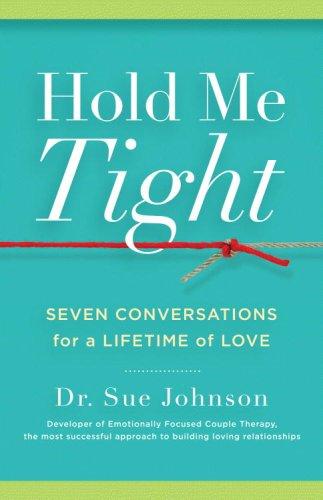
Hold Me Tight book cover

Hold Me Tight

Dr. Sue Johnson

The best book on emotional connection patterns in relationships

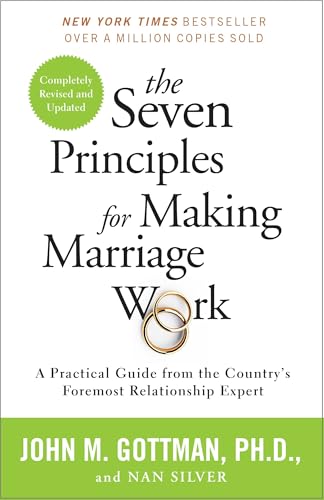
The Seven Principles for Making Marriage Work book cover

The Seven Principles for Making Marriage Work

Dr. John Gottman

Practical, research-backed, no fluff

Set Boundaries, Find Peace

— Nedra Glennon Tawwab

Helpful if boundary issues are part of your pattern — where one person says yes to everything and resents it later.

You're Already Doing the Hard Part

Searching for what a therapist will ask means you're taking this seriously. That alone puts you ahead of most couples who wait until things are really bad before getting help. Whether you start with in-person counseling, try an online platform first, or just keep reading and thinking — the fact that you're here matters.

Looking for something to use between sessions? CouplesReset.net has a $37 bundle of scripts, worksheets, and quick-reference tools for the fights that keep coming back. 50 couples therapy questions to use at home →